7 Most Dangerous Animals of Amazon River

- U-Report


3. Poisonous Amphibian


Katak beracun di dunia.
- U-Report
In this world there are about 4,000 types of frogs, but 427 of them live in the Amazon and are poisonous frogs. One of the poison dart frogs is the Dendrobates species. They are small animals between 20 mm to 40 mm that have bright colors, such as green, red, and orange.

With this color, predators of the poison frog can easily recognize it and move away from it. However, some small, unwary animals will approach and be paralyzed by the venom from the skin of this most deadly animal in the Amazon River.
The substance is very lethal, and even estimated at around 2.5 grams alone can kill an adult human.

4. Green Anaconda
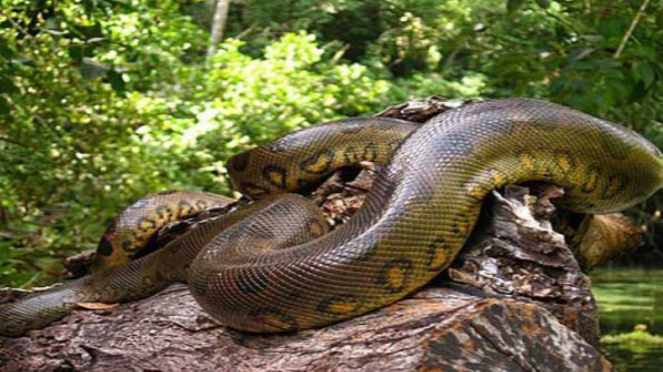
Anaconda Hijau.
- U-Report
The Amazon is home to a whole range of terrifying and dangerous snakes, from the highly venomous pit vipers to the ferocious South American rattlesnake. But none is perhaps more intimidating than the huge green anaconda. Reaching lengths of over 30 feet and weighing more than 500 pounds, it’s the largest snake in the world. But instead, they use their formidable muscle power to constrict and suffocate their prey before swallowing whole without chewing, regardless of their victim’s size.
They are particularly agile and stealthy in the water and lurk in the Amazon River in wait for anything they can strike and overpower, which includes jaguars, caimans, turtles, wild pigs, deer, and even humans. The large size of its meals means that these snakes don’t need to feed often, sometimes lasting months between meals.
5. Black Caiman
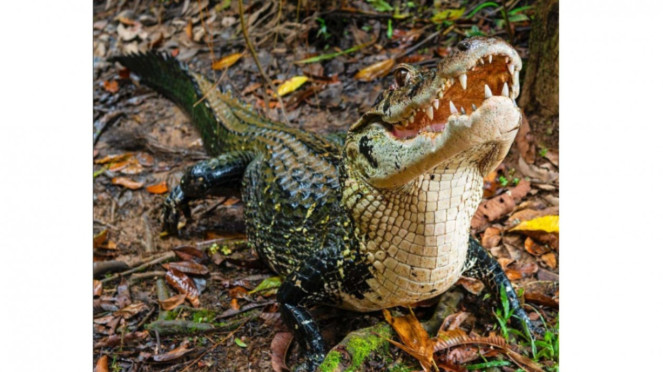
Black Caiman
- Tangkapan Layar
The owner of the Latin name Melanosuchus niger is a dangerous predator that inhabits the Amazon River. The Animal Corner page says that they also live in several habitats, such as slow-moving fresh water, lakes, waterlogged savannas, and wetlands in South American countries.
With a body length of up to 6 meters, this black caiman is an apex predator in the Amazonian ecosystem. Therefore, these animals have many types of prey. As juveniles, they will eat crustaceans, insects, small fish, amphibians, mammals, and birds. As adults, they will eat fish, birds, amphibians, and mammals.