Knowing Schizophrenia: What It is, Symptoms and Treatment

- vstory


5. Environmental Factors

Certain environmental factors, such as exposure to trauma, childhood abuse, urban upbringing, and drug use (particularly cannabis), have been associated with an increased risk of developing schizophrenia. These factors can interact with genetic predisposition to contribute to the onset of the disorder.
People with schizophrenia can experience:

1. False beliefs that cannot be changed, even when presented facts (delusions).
2. Seeing or hearing things that do not exist, such as a voice making commands (hallucinations).
3. The belief that others are reading or controlling their minds.
4. Disorganized thinking and speech, including shifting from one thought to the next without a logical connection, or speaking in sentences that do not make sense to others.
5. Difficulty speaking and expressing emotion, as well as problems with attention, memory, and organization.
Treatmet options:

- Antipsychotic Medications
- Psychosocial Therapies
- Rehabilitation Programs
- Supportive Services
- Hospitalization
- Medication Management
It's important to note that treatment for schizophrenia is ongoing and requires collaboration between the individual, their family, and mental health professionals. Early intervention and consistent treatment can help manage symptoms, prevent relapses, and improve overall functioning.

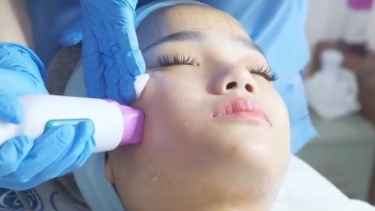
Ladies Jangan Salah Pilih! Ini Beda Skincare, Facial, Treatment dan Injectable
Bagi perempuan yang mulai rutin merawat kulit, istilah skincare, facial, treatment hingga injectable mungkin sudah tidak asing lagi. Namun, tak sedikit yang masih bingung