Robot Has Possibility to Kill Humans, Is It True?

- Robotic


The development of artificially intelligent systems that can correctly classify a specific region has accelerated in recent years.

Workplace social dynamics may be significantly altered by robots, which could have an impact on the significance of work in this area.
Workers will lose out on some of the meaning they derive from their jobs if robots take their place in large numbers on their teams.

Instead of working with one or more direct human colleagues, a large number of people will be working with a robot, reducing their interaction with one another, their dependence on one another, and their overall sense of collective agency and purposefulness.
Simply put, isolation will lead to a feeling of meaninglessness.

Although it's said that robots can kill humans, there are some drawbacks to the presence of robots, such as the following.
1. The cost of repairs and upkeep is exorbitant
To maintain their performance, robots require ongoing maintenance to keep them in top shape. Robotic programs should be kept up-to-date in response to changing conditions. Getting it fixed after a power outage can cost you a lot of money. Furthermore, the time it takes to restore lost data and the cost of doing so would be prohibitive.
2. Data recovery is a challenge
Robots are excellent at storing large amounts of data, but it is difficult to retrieve it if it is lost. Although it is powerful, it does not compare to the power of the human brain. Robots, despite their ability to perform repetitive tasks, lack the ability to improve over time.
3. Lack of Emotions
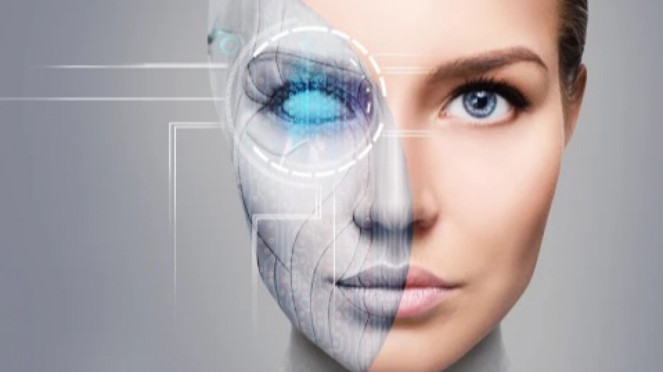
Ilustrasi robot humanoid.
- Shutterstock
Unlike humans, robots lack the capacity to feel and are therefore incapable of making moral decisions. Human-like communication is impossible for machines to achieve because of their lack of emotional intelligence, which is a drawback of robotics.
4. Danger beyond the obvious sense