Check the Unusual Facts about Slow Loris

- ANTARA FOTO/Dedhez Anggara


Jakarta – Slow loris is a fascinating creatures, it is a small and captivating primate. Found in the forests of Southeast Asia, these nocturnal creatures possess large, round eyes that give them an endearing, wide-eyed expression.

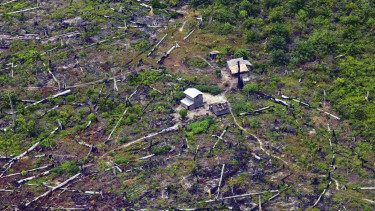
Unfortunately, slow loris population is declining rapidly across Indonesia due to habitat loss and the exotic pet trade, an issue that gained international attention in 2009 when videos of lorises being kept as pets surfaced on social media.
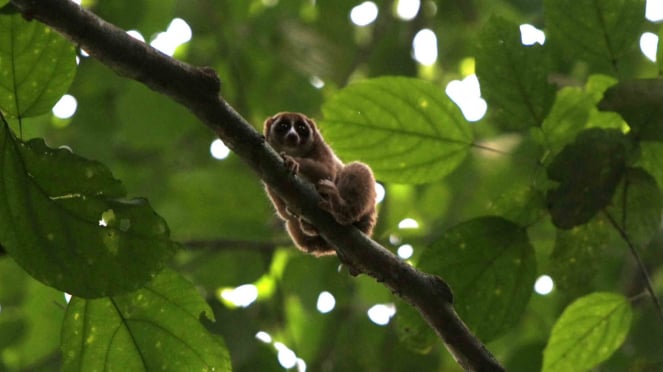
Kukang sumatra (Nycticebus coucang) yang baru dilepasliarkan BKSDA Aceh
- ANTARA FOTO/Irwansyah Putra

Four slow loris species are currently listed as Endangered on the IUCN Red List, two species are categorized as Vulnerable, and two species (Bangka and Java slow lorises) are Critically Endangered.
Moreover, in the wild, slow loris can live up to 20 years. In captivity, they can live as long as 5 years. However, it should be noted that slow lorises are not meant to be kept as pets.

Here are some facts about slow loris that people need to know.
1. Toxic Bite
Slow lorises have a unique defense mechanism. They possess a gland in their elbows that secretes a toxin, which, when mixed with their saliva, can create a venomous bite. This venom isn't used for hunting but as a defense against predators.
2. Nocturnal Lifestyle
They are nocturnal animals, spending their days curled up in a ball-like shape, often in tree hollows or dense vegetation. At night, they become active, foraging for fruits, insects, tree gum, and nectar.
3. Cute but Endangered
Their adorable appearance has unfortunately made them popular in the illegal pet trade. This demand, coupled with habitat loss, has severely threatened their populations in the wild.
4. Ununsual Communication
Slow lorises communicate through various methods, including scent marking with urine and a range of vocalizations such as hisses, whistles, and clicks. They also have a strong sense of smell, crucial for navigating their environment and social interactions.