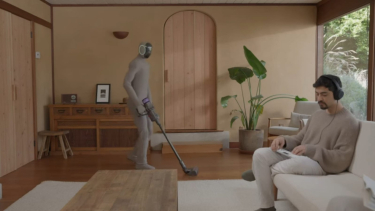
The First Babies Born from Sperm Robot, Marks Fertility Breakthrough

- New York Post


"(IVF) should be cheaper. And if there are doctors who can do it, then it will happen," Munné said.

He believes the fertilization process could one day be automated and performed by a gynecologist, but he did not specify how many eggs would be implanted and retrieved in that setting.
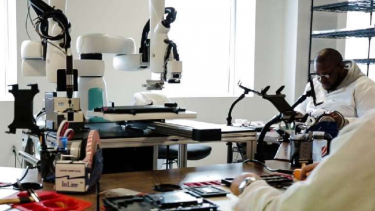
The technology and robot have been developed by a startup company called Overture Life that has raised nearly US$37 million from investors, including Khosla Ventures and Susan Wojcicki, former CEO of YouTube.
Overture Life has filed a patent application describing a "biochip" for IVF labs featuring a hidden reservoir containing growth fluid, and a small channel for sperm to swim in, and other companies are also jumping on the bandwagon.
At least half a dozen other startups have similar goals including AutoIVF, IVF 2.0, Conceivable Life Sciences, which aims to enter the US$25 billion IVF industry.

Teknologi bayi yang lahir dari sperma dikendalikan oleh robot
- New York Post

Alan Murray, co-founder of Conceivable Life, estimates the cost of an IVF baby to average US$83,000 in the United States, taking into account failed attempts, expensive fertility drugs, and medical procedures that are largely not covered by healthcare.
The company's goal is to lower the cost 70% by increasing success rates and reducing the price of the procedure with the help of robotics.
Every year, about 500,000 babies are born through IVF worldwide, but most people who need help having a child cannot afford it or do not have access to fertility drugs.
But some fertility experts are skeptical that robotics will lower costs, given that they don't solve the problem of egg aging which is usually the main reason fertility treatments fail.
In the case of the first baby made with robot sperm, donor eggs were provided to the patient for free and implanted into the mother's womb after high-tech fertilization.

Nggak Hanya Mobil, Ini 5 Produk Unik Toyota yang Jarang Diketahui
Toyota bukan hanya produsen mobil. Dari mesin tenun, mesin jahit, robot, rumah ramah lingkungan, hingga yacht mewah, inilah 5 produk unik Toyota yang jarang diketahui.