15.000 Scientists Said Earth May Collapse Soon

- Pixabay


Jakarta – Scientists are warning that we are now in uncharted territory as a result of human-driven climate change in a new “state of the climate” report that was signed by 15,000 researchers from 163 countries.

Researchers emphasized the current suffering caused by record-breaking climate extremes and raised alarms about the possibility of widespread societal and ecological collapse in the future, while also decrying recent increases in subsidies to the fossil fuel industry, which is the primary driver of climate change.
The 2023 report, published on Tuesday in the journal BioScience, is the latest update in an annual series called World Scientists Warning of a Climate Emergency.

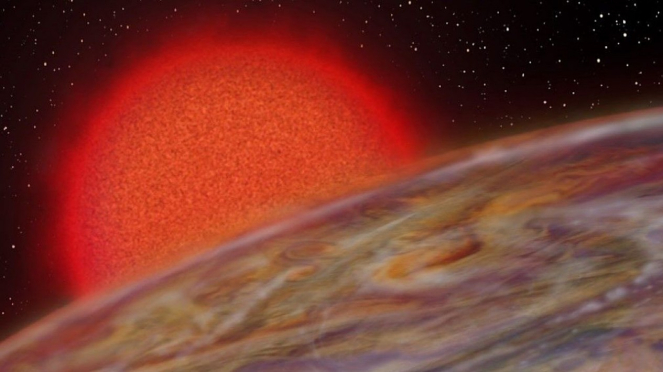
Ilustrasi kiamat.
- Institut Astronomi Universitas Hawaii
Since 2019, scientists have been tracking escalating threats that warming global temperatures present to humans and ecosystems around the world.

The new report, led by Oregon State University ecologist William Ripple, warns that 2023 was a particularly devastating year of extreme wildfires, floods, heatwaves, and other natural disasters that are amplified by climate change.
The authors suggest that temperatures this past July may well have been the warmest on Earth over the past 100,000 years, which they called “a sign that we are pushing our planetary systems into dangerous instability.”
“As scientists, we are increasingly being asked to tell the public the truth about the crises we face in simple and direct terms,” Ripple and his colleagues wrote in the report.
“The truth is that we are shocked by the ferocity of the extreme weather events in 2023. We are afraid of the uncharted territory that we have now entered,"
“Global daily mean temperatures never exceeded 1.5-degree Celsius (°C) above pre-industrial levels prior to 2000 and have only occasionally exceeded that number since then,” the researchers informed.
"However, 2023 has already seen 38 days with global average temperatures above 1.5°C by 12 September - more than any other year - and the total may continue to rise.”